Jobs in Poland for Moldovans
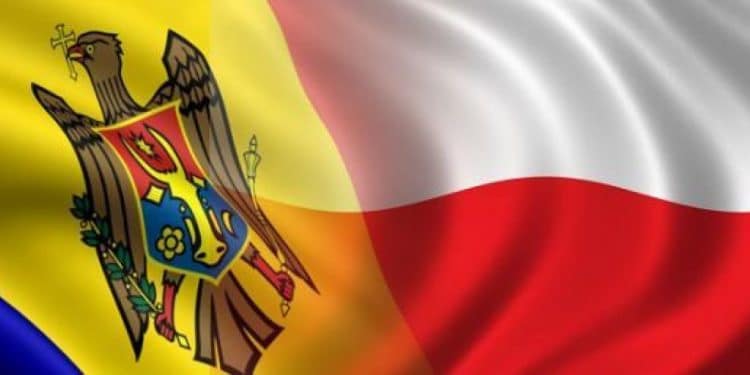
Jobs in Poland for Moldovans are one of the most searched topics among people from the Republic of Moldova who are planning to work abroad. Poland is geographically close, culturally familiar in many regions, and offers a steady stream of open positions in warehouses, factories, construction, agriculture and services. This guide walks through everything a Moldovan candidate needs to know before applying: which documents are required, how salary is calculated, what housing and transport usually look like, how to recognise a trustworthy employer, and how to search efficiently using a job map.
Can a Moldovan citizen legally work in Poland
Holders of a Moldovan biometric passport can enter the Schengen area without a visa for up to 90 days within any 180-day period. Visa-free entry, however, does not by itself give the right to work — it only covers travel and stay.
To work legally, a Moldovan citizen normally needs one of the following:
- An employer’s declaration on entrusting work to a foreigner (oświadczenie o powierzeniu wykonywania pracy) — a simplified procedure available to citizens of several neighbouring countries, including Moldova.
- A standard work permit (zezwolenie na pracę), issued through the relevant voivodeship office, usually for occupations or durations outside the simplified procedure.
- A residence and work card (karta pobytu), typically required once a stay extends beyond the visa-free period.
Holders of a Romanian passport or another EU passport are in a different position: as EU citizens they can work in Poland freely, without a separate work permit.
Two contract types are most common. Umowa o pracę is a standard employment contract under the Polish Labour Code, with paid leave and stronger legal protection. Umowa zlecenie is a civil-law mandate contract, more flexible for both sides but with fewer guarantees. Ask which one is offered before accepting a position, since it affects paid leave, notice periods and social contributions.
Because immigration procedures are updated periodically, it is worth confirming the current requirements with the employer, a licensed agency, or the relevant Polish office before travelling. A broader overview of legal employment options across the region is available in this guide to work in Europe.
How to search for the right vacancy
A useful search relies on filters rather than a single keyword: city, industry, profession, contract type, permanent or seasonal work, and whether housing is included. It also helps to distinguish a direct employer from a staffing agency — direct contact usually means a faster decision and no intermediary fees.
Among Moldovan candidates, the most requested categories include warehouse operator, production worker, packer, driver and skilled trades such as a construction worker, a rebar worker, or a bricklayer.
Warsaw is the single most searched city — see the dedicated overview of jobs in Warsaw — but many postings labelled simply “Warsaw” actually refer to a facility 20–30 kilometres outside the city. Always check the exact workplace address and whether transport to the shift is provided before accepting an offer.
A map-based search makes this comparison easier: instead of scrolling through long text lists, a candidate can filter vacancies by category — for example, jobs with housing included, jobs for women, jobs for men, or urgent openings where paperwork moves quickly — and see exactly where each offer is located. Typing a specific job title into the search bar shows instantly which cities or countries currently have that vacancy open.
Salary: net vs gross, and what you actually take home
Brutto refers to the gross amount before tax and social contributions; netto is what actually arrives in your account. Always ask which figure a given vacancy is quoting — the difference between the two can be substantial.
Monthly income depends on the hourly rate, the number of guaranteed hours, any bonuses for night shifts or overtime, and deductions for housing or transport where these are not free. Rates vary constantly by region, industry and season, so treat any figure you see in a general article as an estimate and confirm the current rate directly on an active listing.
Housing, transport and meals
Employer-provided housing is common in warehouse, agriculture and production jobs. It can be free or come with a fixed weekly or monthly deduction from salary. Before accepting an offer, it is worth asking how many people share a room, how far the accommodation is from the workplace, and whether transport to and from shifts is included.
Some employers also provide meals, while others only offer a paid canteen. Couples and families should confirm in advance whether joint accommodation, or accommodation together with children, is actually available, since not every employer offers this option.
Life in Poland involves questions beyond the job itself, from language courses to healthcare. As one example, certain categories of patients can arrange a free sanatorium stay in Poland through public health and rehabilitation programmes.
Requirements employers usually set
- Experience: many warehouse, cleaning and production roles require none; skilled trades such as welding, electrical work or qualified construction usually do.
- Language: a large share of vacancies aimed at Moldovan candidates specifically advertise “no Polish required,” although basic Polish or English helps with everyday communication.
- Age and gender: some employers set an upper age limit or look specifically for men, women or couples; student or family status can also affect which offers are open.
- Physical readiness: warehouse and production work is often physically demanding — standing shifts, repetitive movement, lifting — so it is worth being honest with yourself about fitness for the role.
What the job is actually like
Shift length, the number of breaks, whether the line runs at a fixed pace or output quota, indoor temperature and noise level rarely appear in a short advertisement, yet they shape daily life on the job. Monotonous, repetitive tasks are typical for packing, sorting and assembly-line work; more varied duties usually come with higher qualification requirements.
A realistic picture before departure prevents the most common disappointment: accepting what was described as “easy work” that turns out to be demanding physically or mentally. If flexibility and light duties matter most, it is worth comparing several categories of easy jobs in Europe before making a decision.
How to check an employer before you commit
- A trustworthy vacancy names the legal employer, not only a messenger nickname.
- The contract type and main terms are stated before arrival, not “arranged after you get here.”
- The advertised salary specifies whether it is net or gross.
- The workplace address is the real one, not just the nearest large city.
- Any request for an upfront payment “for the vacancy” or “for paperwork” is a red flag.
Checking recruiter reviews, agency registration, and direct contact details considerably reduces the risk of a fraudulent listing.
How to apply and get in touch with a recruiter
Most postings only need a short reply through WhatsApp, Viber, Telegram, a phone call, or an online form. A formal CV is often optional for entry-level roles, though it helps for skilled positions. Direct contact with the recruiter behind a specific vacancy, without unnecessary paperwork, is usually the fastest path from application to a confirmed start date.
About mastermap.pl
mastermap.pl is a job search map covering Europe. Instead of scrolling through long text lists, a candidate opens a map, filters vacancies by category — jobs with housing included, jobs for women, jobs for men, or urgent openings where paperwork moves quickly — and sees exactly where each offer is located. Around the vacancies, the same map also shows nearby services that make relocation easier, such as housing close to the workplace, language courses, legal consultations and legalisation assistance. It is also possible to type a specific job title into the search bar and instantly see which cities or countries currently have that vacancy open. Every listing leads to a direct conversation with the recruiter behind the vacancy, and the platform does not charge job seekers any fee for making that connection.
Related guides
For candidates focused on a specific trade or city, the sections above already link to detailed guides on construction, rebar and bricklaying work, as well as jobs in Warsaw. For a broader view of the region, see How to Find a Job in Europe and, for context on labour patterns across the continent, Where in Europe People Work Least.
Frequently asked questions
Can I work in Poland with only a Moldovan biometric passport?
The biometric passport lets you enter and stay in Poland visa-free for up to 90 days within 180 days, but you still need an employer’s declaration or a work permit to work legally during that stay.
What is the difference between an employer’s declaration and a work permit?
The employer’s declaration (oświadczenie) is a simplified, faster procedure available for citizens of several neighbouring countries, including Moldova, and typically covers shorter periods. A standard work permit (zezwolenie na pracę) is a separate, usually longer, process handled by the voivodeship office.
What is the difference between umowa o pracę and umowa zlecenie?
Umowa o pracę is a full employment contract under the Labour Code, with paid leave and stronger protection. Umowa zlecenie is a more flexible civil-law contract with fewer guarantees. Both are legal; the choice affects your rights on the job.
Can I find a job in Poland without knowing Polish?
Yes. Many vacancies for warehouse, production and packing roles are advertised as requiring no Polish, though basic language skills make daily life easier.
Can I find a job without previous experience?
Yes, a large share of entry-level warehouse, cleaning and production vacancies do not require prior experience. Skilled trades and specialist roles do.
Is housing really free?
It depends on the employer. Some offer free accommodation, others deduct a fixed amount from salary. Always ask for the exact terms before accepting a position.
Can a couple live together while working in Poland?
Some employers offer joint accommodation for couples, others do not. This should be confirmed directly with the specific employer before travelling.
Is transport to the workplace provided?
Many employers, especially for warehouse and production sites located outside the city centre, provide transport to and from shifts. This varies by employer and should be confirmed for each vacancy.
What does netto and brutto mean on a Polish payslip?
Brutto is the gross salary before tax and social contributions; netto is the amount that actually reaches your account. A vacancy that only states one figure without specifying which it is should be treated with caution.
How do I know a vacancy is genuine and not a scam?
Look for a named legal employer, clearly stated contract terms, a real workplace address, and a salary marked as net or gross. Any request for payment before you start working is a warning sign.
Do I have to pay mastermap.pl to find a job?
No. The platform does not charge job seekers a fee; you contact the recruiter behind a vacancy directly.
Do I need a CV to apply?
For many entry-level roles a CV is optional and a short message through WhatsApp, Viber, Telegram or a phone call is enough. Skilled and specialist positions usually expect a CV.
What should I do if an employer does not fulfil the agreed conditions?
Keep a copy of your contract and any written communication, and raise the issue with the employer or agency in writing first. If the situation is not resolved, Poland’s National Labour Inspectorate (Państwowa Inspekcja Pracy, PIP) handles complaints about working conditions and contract violations.
Can I bring my children with me?
This depends entirely on the individual employer and the type of accommodation offered. It is not guaranteed by default and should be confirmed before departure.
Comments 0
All comments are published after review.
No comments yet. Be the first!