Job Postings: How to Find the Right Job in Warsaw and Poland
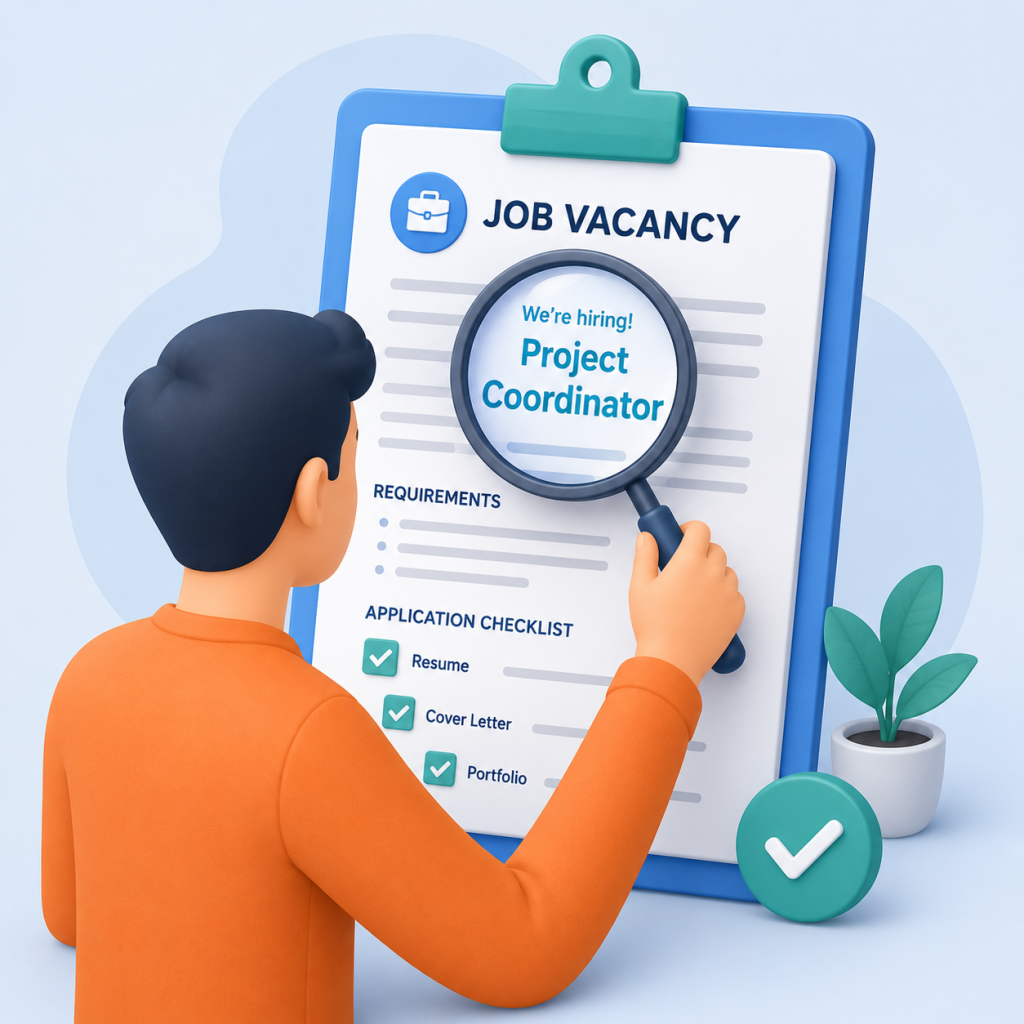
Job postings in Warsaw and Poland are never just one list of vacancies — behind the search lies not one question but a dozen. A job seeker rarely wants a bare list; they want to quickly understand where to look, how much a job pays, what kind of contract is offered, whether remote work is possible, and whether a posting actually fits them — no experience, a student, a woman, someone over fifty, or a foreigner. This guide answers most of these questions and explains why searching job postings on a map works differently from browsing an ordinary list. In Polish, this topic is called ogłoszenia o pracę — the exact phrase to type in if you are looking for Polish-language sources.
Where to look for job postings — city, district or a nearby town
The first and most obvious question is where exactly to search. For Warsaw, that means not just the city itself but its districts — Śródmieście, Mokotów, Wola, Ursynów and others — as well as the nearby towns of the agglomeration that many people commute from every day. What matters in a job postings search is not the administrative border but real commuting distance.
Some searches are narrower still — for example Warsaw jobs for women cleaning or Job packer Warsaw. Queries like these show that a person already knows what they want and is looking for specific conditions, not a generic list.
Profession, industry and career level
The second layer of questions is what to look for exactly. Job postings span dozens of industries: retail, logistics, construction, food service, manufacturing, IT, healthcare, education and administrative work, among others. Within each industry, postings are further split by level — from no experience and junior up to specialist, team leader and director. It therefore helps to specify not only the profession but also the level: intern, junior specialist, specialist or manager, since these are different postings with different requirements and pay.
Salary and contract type
Pay and contract form are among the most common refinements in a job postings search. Employers state pay differently — a monthly gross or net amount, or an hourly rate, often under a B2B contract. Besides the number itself, the legal form of the relationship matters: umowa o pracę, umowa zlecenie, umowa o dzieło, a B2B contract, a substitution contract or a traineeship agreement. Each form affects social guarantees, taxes and job stability differently, so it is worth checking before applying rather than after.
Work format and schedule
Job postings are increasingly split by format: on-site, hybrid, fully remote or mobile (field) work. Separately, there is full-time and part-time employment, side jobs, temporary and seasonal work, as well as weekend or shift-based postings. If a specific schedule matters most, it is worth filtering postings by that parameter rather than by job title alone.
Jobs without experience, for students and for a first job
A large share of job postings target people without experience: students, graduates and anyone looking for a first job or internship. Such postings usually have lighter requirements, though not always a lighter workload — Easy jobs in Europe usually means a low entry barrier in terms of experience and language rather than an easy schedule.
How fresh the posting is, and urgent searches
The publication date is a search criterion in its own right. Users look not just for “a job” but for one posted today, within the last 24 hours, or over the last three or seven days, along with postings marked “start immediately.” The more urgently income is needed, the more the freshness filter matters, not just the job title.
Direct employer or agency
Another important question is who actually posted the vacancy — the employer itself or an employment agency. This affects the speed and terms of hiring, and sometimes the final pay conditions too.
Special candidate groups
The job market is clearly segmented by audience. Students, people over fifty — Jobs for Women Over 50 in Warsaw — people with disabilities, and foreign candidates all search separately, including through Warsaw Jobs for Ukrainians OLX and Jobs in Europe for CIS Citizens. Many of these groups also need extra conditions: work without Polish language skills, a flexible schedule, help with legalization, or Jobs in Warsaw with Accommodation for the first period after arrival.
Legal job search and relocation
A separate and very practical topic is how legal and safe the search process itself is. Some users specifically look for Work in Europe for Free — vacancies where applying and getting hired does not require paying an intermediary. This matters most for people searching abroad for the first time.
Employment support and repeat searches
Not everyone wants to search manually every day. That is why saved searches and notifications about new matching job postings, delivered automatically, are so useful.
For employers: how to write job postings correctly
Job postings are not only a jobseeker topic. Employers need a posting that attracts the right candidates instead of hundreds of random applications — more on structuring such a text can be found in How to Write a Job Posting.
How mastermap.pl helps with job postings
mastermap.pl is a job search built on a map of Europe. Vacancies are shown together with services that make relocating to a new city or country easier: housing near the workplace, local language courses, legal and legalization assistance. On the map, users can search for jobs with housing provided, listings for women and for men separately, and urgent postings with the fastest possible hiring process. Search also works by job title, showing which city or country has a matching vacancy.
mastermap.pl also offers filters by contract type and work format — remote, hybrid or on-site — and shows whether a posting comes from the employer directly or from an agency. Users can save a search and get notified about new matching vacancies without checking the site every day. Applications go directly to the recruiter, and the platform charges neither the jobseeker nor for browsing vacancies.
Frequently asked questions about job postings
Where can I find current job postings in Warsaw?
The easiest way is to search on a map — it immediately shows which jobs are close to home or convenient along your commute, not just formally located within Warsaw.
Can I find a job without experience?
Yes, a large share of postings target candidates without experience, students, and people looking for a first job or internship.
How can I find out the salary before applying?
Many postings already show a gross or net salary range, or an hourly rate — it is worth checking this on the job page before applying.
What is the difference between a direct employer and an agency?
A direct employer hires you itself, while an employment agency acts as an intermediary — this can affect hiring speed and final terms.
Can I search for remote or hybrid work?
Yes, work format is a separate and very popular filter among job postings.
How do I get new matching vacancies automatically?
It helps to save your search and turn on notifications instead of checking the list manually.
—
Job postings are never a single list — they are a set of overlapping conditions: location, industry, salary, contract, work format and the candidate’s own situation. The more precisely a person can filter postings by these parameters, the faster they find the right job.
Comments 0
All comments are published after review.
No comments yet. Be the first!